
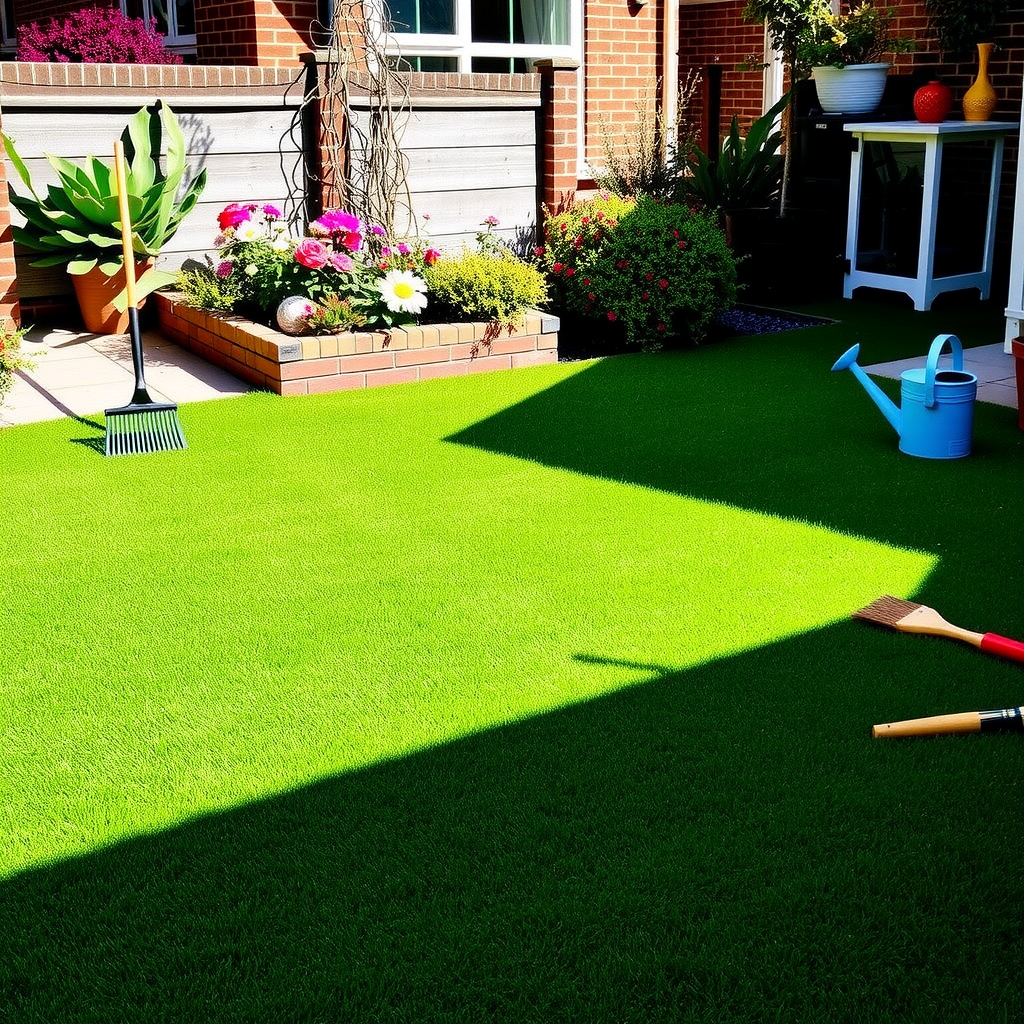
To maintain artificial grass effectively, regular brushing and rinsing are essential. This ensures a clean, lush appearance while preventing debris buildup. Additionally, check for loose seams and address any issues promptly. For expert tips and services on maintaining artificial grass, visit https://www.artificialgrassmaintenance.co.uk.
To maintain artificial grass and ensure it remains in pristine condition, regular upkeep is essential. This includes removing debris, brushing the fibers, and occasionally rinsing the surface to eliminate dust and odors. It’s also important to inspect for any damages, ensuring longevity and aesthetics. For a comprehensive guide on how to maintain your artificial grass effectively, visit this resource: https://www.betterthanrealgrass.com/gardens/2792/what-kind-of-maintenance-does-your-artificial-grass-require/.
Artificial grass is an attractive and practical solution for creating a lush, green landscape without the extensive upkeep that natural grass requires. However, even though it is relatively low-maintenance, proper care and attention are crucial to ensure your artificial turf remains vibrant and inviting for years to come. In this article, we will discuss top tips for maintaining artificial grass, focusing on care and maintenance practices, as well as professional services available in the UK to ensure your lawn looks its best.
Routine Cleaning and Maintenance
One of the primary aspects of artificial grass care and maintenance is routine cleaning. Here are some essential steps to keep your lawn looking great:
Regular Brushing
Over time, the fibres of your artificial grass can become flattened due to foot traffic and weather conditions. Regular brushing, at least once a month, helps raise the fibres back up, restoring their natural appearance. Using a stiff-bristled broom or a specialised artificial grass rake will help maintain the upright position of the blades.
Debris Removal
To maintain artificial grass effectively, it’s crucial to remove debris like leaves, twigs, and dust. Regularly clearing your lawn will prevent the growth of mould and mildew, which can affect both the appearance and functionality of your turf. A leaf blower or a stiff broom can efficiently clear away any unwanted materials.
Hosing Down
Washing your artificial grass with water can help keep it clean and fresh. Use a hose to gently spray the surface to remove dust, grime, and allergens. Additionally, if you have pets, this is an effective way to manage and eliminate any unpleasant smells. Once a quarter is generally adequate, but if you notice a build-up of dirt or pet waste, increase the frequency.
Addressing Stains and Spills
While artificial grass is designed to be durable, it is not immune to stains. Proper maintenance of artificial grass includes knowing how to deal with accidental spills and stains effectively:
Immediate Action
The sooner you address a spill, the easier it will be to remove. For drinks, food, or pet accidents, blot the area gently with a paper towel or cloth. Avoid rubbing, as this can push the stain deeper into the fibres.
Cleaning Solutions
After blotting, clean the stained area with a mixture of mild soap and water, or use a specially formulated artificial grass cleaner. Gently scrub the area with a soft cloth or sponge, then rinse with water to remove any residue. For adhesive stains, consider using white vinegar, which can be effective without damaging the grass.
Tackling Tough Stains
For more stubborn stains such as oil or paint, it’s advisable to consult the manufacturer’s guidelines or seek assistance from an artificial grass maintenance service that can provide expert care without risking damage to your lawn.
FAQ: Maintaining Artificial Grass
What is the best way to maintain artificial grass?
To maintain artificial grass, regularly remove debris such as leaves and twigs using a broom or leaf blower. Rinse the surface with water to prevent dust accumulation, and use a specialised turf rake to lift the fibers occasionally. Additionally, ensure proper drainage and check for any weeds that may penetrate.
How often should I clean my artificial grass?
A general rule of thumb is to clean your artificial grass every 1-2 weeks. However, during heavy usage or seasonal changes—such as falling leaves in autumn—you may need to clean it more frequently.
Can I use a pressure washer on my artificial grass?
While you can use a pressure washer on some types of artificial grass, it’s crucial to adjust the pressure settings correctly. A low-pressure setting should be used to avoid damaging the fibers. Always check with your turf manufacturer’s guidelines for specific cleaning recommendations.
How do I remove stains from my synthetic turf?
To remove stains from synthetic turf, start by blotting up any liquid spills immediately with a cloth. For tougher stains like pet urine or food residues, you can create a solution of mild soap and water (or vinegar) and apply it gently using a soft-bristle brush before rinsing thoroughly.
Is there anything I should avoid when maintaining my artificial grass?
Yes! Avoid using harsh chemicals such as bleach or ammonia-based cleaners that could damage the fibers or backing material of your synthetic lawn. Additionally, refrain from using sharp tools that could puncture or tear the surface while cleaning.
How can I keep weeds from growing in my artificial turf?
Weeds are less likely to grow through well-installed and high-quality artificial grass due to its backing material; however, if they do appear, manually pull them out by hand or apply an approved weed killer that won’t harm your synthetic lawn.
Does maintenance differ based on weather conditions?
Yes! In snowy conditions, it’s important not to let snow accumulate unchecked on your turf since melting ice can lead to puddles and potential drainage issues. In hot climates, frequent brushing may be necessary as heat can cause fibers to flatten out over time.
Should I hire professionals for maintenance tasks?
For regular upkeep—including deep cleaning—most homeowners find DIY methods sufficient; however, hiring professionals once yearly for comprehensive maintenance checks might be beneficial if you have extensive installations or face significant wear issues.
By following these guidelines for maintaining your artificial grass effectively, you’ll ensure longevity and vibrancy in your outdoor space!
Professional Maintenance Services
For those who prefer to leave the maintenance of artificial grass to the experts, numerous artificial grass maintenance packages are available in the UK. These services can include:
Deep Cleaning
Professional maintenance often involves deep cleaning, which runs more thorough than regular upkeep. Services typically include power washing the turf to remove embedded dirt and a full inspection for any damages or wear and tear that may need addressing.
Filling and Repair
Over time, the infill in your artificial grass can settle or wash away, affecting drainage and cushioning. Professional services provide refilling options and can make any necessary repairs to ensure the integrity and appearance of your turf are maintained.
Comprehensive Maintenance Packages
Many providers offer annual or bi-annual artificial grass maintenance packages that cover all the necessary care routines. These packages can include regular check-ups, cleaning, and repairs to give you peace of mind, knowing your artificial grass is in capable hands.
Conclusion
By utilising regular cleaning techniques, addressing spills quickly, and considering professional maintenance services, you can enjoy a vibrant and lush landscape created by artificial grass. Whether you opt to maintain it yourself or engage an artificial grass maintenance service, following these tips will ensure your lawn remains beautiful and functional for many seasons to come.
Maintaining your artificial grass doesn’t have to be a daunting task. A little knowledge, routine care, and proper attention will keep your landscape looking pristine, allowing you to enjoy your outdoor space year-round.