
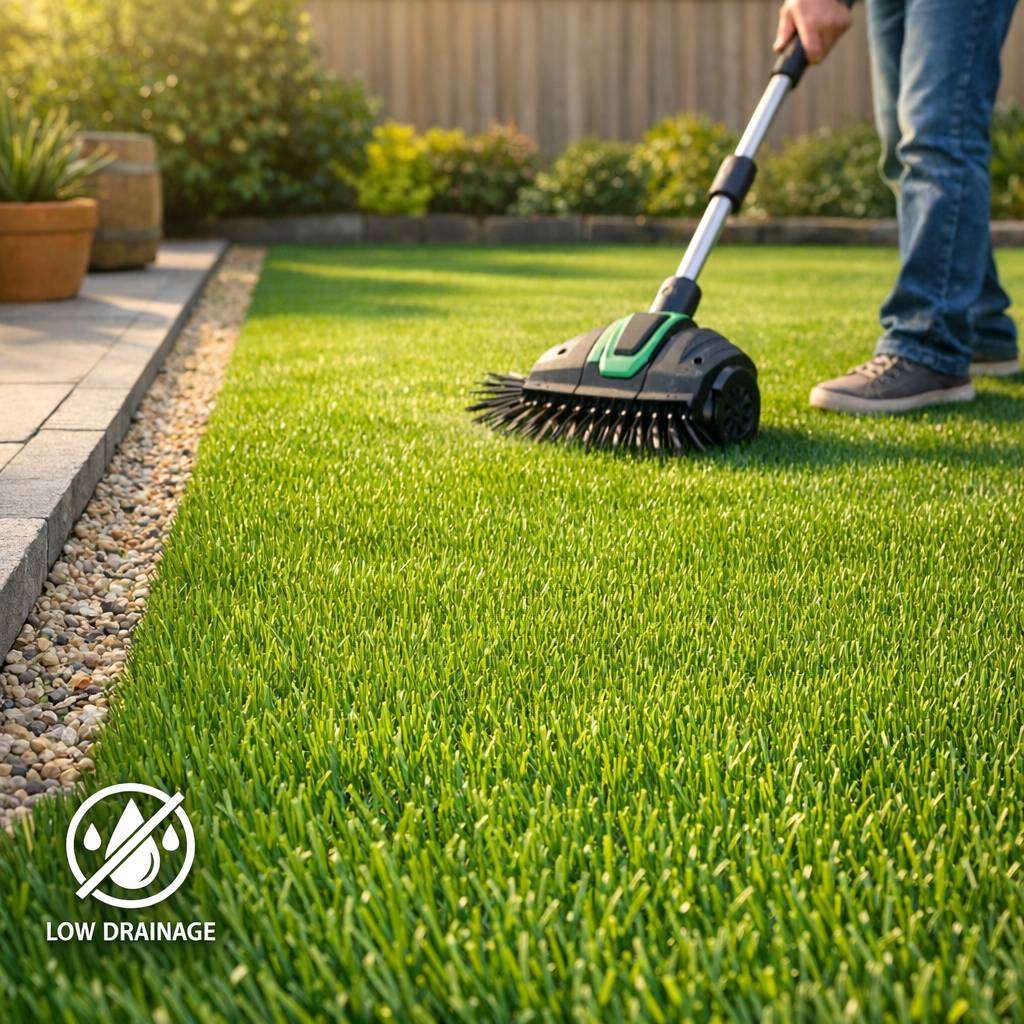
Artificial grass offers a low-drain, evergreen alternative to natural turf, but to keep it looking pristine and performing well, regular care is essential. This guide provides expert, practical advice on maintaining artificial grass so your lawn remains vibrant, safe, and durable year-round. By following these tips, you’ll minimise glare, odours, and drainage issues, while extending the lifespan of your investment.
1. Choose the Right Cleaning Routine
A simple, regular cleaning routine makes a big difference. Remove debris such as leaves, twigs, and pet waste with a lightweight, stiff-bristled brush or a leaf blower. For lighter debris, a vacuum can be effective without damaging the fibres. Establish a weekly maintenance cycle that suits the level of foot traffic and nearby trees. If you’re searching for reliable guidance or “artificial grass maintenance near me,” local specialists can tailor a plan to your lawn’s unique needs.
2. Brush the Fibres Against the Grain
Brushing is essential for keeping the pile upright and springy. Use a broom or a rotating brush with soft bristles and brush against the grain to lift flattened fibres after rainfall or heavy use. This helps preserve the natural appearance and ensures the artificial grass drains efficiently. Regular brushing also reduces the risk of compacted soil beneath the backing, which can affect drainage over time.
Artificial grass care and maintenance tips help preserve realism, longevity, and safety in your yard. Start with regular brushing to prevent matting, remove debris, and rinse occasionally to cut buildup. Use mild cleaners for stains and avoid harsh chemicals. For product guidance, check this link: https://www.amazon.com/Forever-Green-Lawns-Artificial-Driveways/dp/B0DBQTTV4Q.
Artificial grass care and maintenance is essential for longevity and realism. Regular rinsing removes dust, while brushing keeps fibers upright to maintain a natural look. Avoid sharp objects and harsh chemicals that can damage backing and blades. Schedule periodic inspections for seams and infill levels, and use appropriate cleaners for spills. For deeper guidance, refer to expert recommendations here: https://www.fusionturf.com/inspiration/real-looking-artificial-grass-the-ultimate-guide-to-lush-low-maintenance-landscaping/
3. Manage Pet Access and Odour
Pet owners should consider pet odour control as part of maintenance artificial grass. Rinse with water after pet usage to dilute odour compounds and prevent staining. For severe odour, a diluted solution of white vinegar or specialised artificial grass odour removers can be applied, followed by thorough rinsing. Ensure cleaning products are safe for artificial grass and do not contain bleach or harsh solvents that could degrade fibres. If you’re seeking a tailored approach, a maintenance package from a reputable provider can include odour management and routine inspections as part of an artificial grass maintenance uk plan.
4. Handle Spillages Carefully
Spillages from food, drinks, or cosmetics should be cleaned promptly to prevent staining. Blot (do not rub) with a soft cloth or paper towel to remove liquids, then rinse with clean water. For stubborn stains, use a mild detergent diluted in water and rinse away completely. Avoid aggressive chemical cleaners that could damage the backing or infill. For ongoing spills in high-traffic areas, consider a maintenance artificial grass schedule that includes spot-cleaning protocols.
5. Maintain Proper Infill Levels
Most artificial lawns rely on infill to weigh down the fibres and provide cushioning. Over time, infill can migrate, compact, or become uneven, especially in high-traffic zones. Regularly check the level and top up as needed with the recommended infill type (silica sand, rubber, or a hybrid). Maintaining the correct infill height supports drainage and prevents flattening of the pile. If you’re unsure about the right infill for your system, consult a specialist offering an artificial grass maintenance service.
Taking proper artificial grass care and maintenance ensures a lush, lasting lawn year-round. Regularly remove debris, brush fibers to keep them upright, and rinse with water to prevent dust buildup. Avoid harsh chemicals; use mild soap if needed and avoid petroleum-based cleaners. For those seeking detailed guidance, consult trusted sources and follow manufacturer recommendations. In the second half of this paragraph, explore expert advice at artificial grass care and maintenance, which offers practical tips for extending the life and appearance of your synthetic turf.
6. Monitor Drainage and Address C drainage Issues Promptly
One of the main benefits of artificial grass is its drainage capability, but issues can arise if the sub-base is poorly prepared or becomes compacted. After heavy rainfall, check for pooling or slow drainage. If puddling occurs, inspect the drainage layer, remove debris from drainage channels, and brush the surface to improve flow. In some cases, regrading or refreshing the sub-base may be necessary, which is best handled by experienced professionals via an artificial grass maintenance package or service.
FAQ: Artificial Grass Care and Maintenance
What is the best routine for maintaining artificial grass?
Regular maintenance includes removing debris, brushing to keep fibers upright, rinsing to wash away dust, and periodic infill checks if your system uses infill. A light weekly sweep and a deeper cleaning every 1–3 months (depending on use) helps keep it looking fresh.
How do I clean spills and pet waste on artificial grass?
For liquids, rinse with water and blot any solid waste with a scoop or bag, then rinse again. For pet waste, remove solids promptly and rinse the area. A mild soap solution can be used for odour control; rinse thoroughly. If odours persist, use a pet-safe enzymatic cleaner designed for artificial turf.
How often should I brush or comb the blades?
Brush the turf at least weekly to keep blades upright and evenly distributed. Increase frequency during heavy use, in high wind areas, or in dusty environments. Use a soft-bristle broom or a powered turf brush in the direction of the blades.
Can artificial grass get stained, and how do I remove stains?
Yes, stains can occur. Most common stains (food, drinks, dirt) can be removed with a mild detergent mixed with water and a soft brush. Rinse thoroughly. For tougher stains, follow the manufacturer’s stain-removal guidelines to avoid chemicals that could damage the fibers.
How do I clean artificial grass a few times a year?
Perform a deeper cleaning every 3–6 months:
- Remove debris and leaves.
- Rinse with water to remove dust.
- Brush the fibers to reset their shape.
- Check and adjust infill levels if applicable.
- Inspect seams, edges, and drainage to ensure everything remains intact.
Does artificial grass require infill? If so, how often?
Infill helps weigh fibers upright and supports drainage. The frequency depends on usage and fiber height, but typically you’ll check yearly and replenish as needed. Some systems use no-infill designs; follow your product’s specifications.
How can I protect artificial grass from pets and odours?
Regular cleaning, timely removal of waste, and rinsing help. You can use a pet-safe enzyme cleaner for odour control. Ensure proper drainage and avoid leaving waste on the surface for extended periods.
How do I prevent and treat mold or mildew on artificial grass?
Mold or mildew is uncommon but can occur in shaded or damp areas. Improve drainage, trim nearby vegetation for airflow, and rinse with water. For affected spots, use a mild detergent solution and rinse well. If odour or discolouration persists, consult the manufacturer’s guidance.
Is it safe to use household cleaners on artificial grass?
Most mild, non-bleach, non-abrasive cleaners are safe. Avoid strong solvents, vinegar undiluted, acetone, or bleach on coloured fibers unless specified by the manufacturer. Always test a small, inconspicuous area first.
How do I protect artificial grass from UV damage and wear?
Choose turf with UV-stabilized fibers, follow manufacturer recommendations for maintenance, and avoid placing heavy equipment directly on the turf. Regular brushing and proper infill (if used) help maintain resilience against wear and sun exposure.
Can I cut or trim artificial grass?
Cutting is sometimes necessary for fitting or replacing sections. Use a sharp utility knife, a straight edge, and follow the manufacturer’s guidelines to avoid damaging the backing. Seal or tape seams as recommended after trimming.
What should I do after heavy rainfall or flooding?
Rinse the area to remove debris and flush any collected sediments. Ensure drainage is not blocked and fibers dry naturally. If pooling occurs, check drainage pathways and consider a light brushing to restore drainage efficiency.
How long does artificial grass typically last?
Most high-quality artificial grasses last 10–15 years with proper maintenance. Lifespan depends on fiber type, usage, backing quality, and climate conditions.
When should I contact a professional for maintenance?
If you notice persistent odours, mold growth, drainage problems, loose seams, significant colour fading, or large areas where fibers lay flat despite brushing, it’s best to consult a professional for assessment and repair.
If you’d like, I can tailor these FAQs to your specific product or installation (residential lawn, sports field, playground, etc.) and include product-specific maintenance steps.
Maintaining artificial grass care and maintenance is essential for longevity and appearance. Regular brushing, occasional rinsing, and spot cleaning prevent matting and odors. In the first half, learn expert guidance here: https://www.groundsguys.com/blog/artificial-grass-maintenance-tips/. Use mild soap for stains, avoid harsh chemicals, and keep pets off freshly treated areas until dry. Schedule seasonal checks, inspect infill levels, and monitor drainage for pristine, durable turf year-round.
7. Protect from Heat and UV Damage
High temperatures and strong sun can cause fibres to become brittle over time. While artificial grass is designed for sun exposure, limiting prolonged concentrated heat on reflective surfaces (like windows) can help preserve longevity. If your lawn experiences intense sun, consider mid-season brushing more frequently to prevent fibre collapse and maintain resilience. For shaded or cooler areas, standard maintenance will generally suffice, but periodic inspection by an artificial grass maintenance service can catch early signs of damage.
8. Regular Inspections for Wear and Tear
Schedule periodic inspections to identify fraying seams, exposed edges, or loose join lines before they escalate into obvious damage. Look for loose backing, seam reflections, or thinning in high-traffic zones. Early detection saves time and expense, and allows you to address issues with a targeted artificial grass maintenance package. If you’re searching for “artificial grass maintenance near me” or a full-service solution, local providers can perform comprehensive checks and recommend a bespoke plan.
9. Seasonal Cleaning and Maintenance
Seasonal changes influence how you maintain artificial grass. In autumn, remove fallen leaves promptly to avoid matted patches. In winter, clear the surface of ice or snow with a plastic scoop rather than metal tools to avoid fibre damage. Spring is ideal for a thorough brushing, reseeding or infill adjustment, and any needed repairs. Having a seasonal maintenance artificial grass schedule helps you stay organised and ensures the lawn remains lush throughout the year.
10. Engage a Trusted Maintenance Partner
For many homeowners, partnering with a dedicated artificial grass maintenance service offers peace of mind and measurable results. A reputable provider can deliver a comprehensive artificial grass maintenance UK plan, covering routine cleaning, infill management, edge care, drainage assessments, and periodical professional services. If you’re evaluating options, ask about a maintenance artificial grass package that includes a tailored programme for your lawn’s size, use, soil type, and climate. This is especially useful for busy households or commercial installations where consistent care is essential.
If you require ongoing support or want to locate reliable guidance locally, calling a professional “artificial grass maintenance near me” can connect you with skilled technicians who understand British standards, materials, and weather conditions. With the right maintenance package, your artificial lawn will stay green, resilient, and low-drain for years to come.