
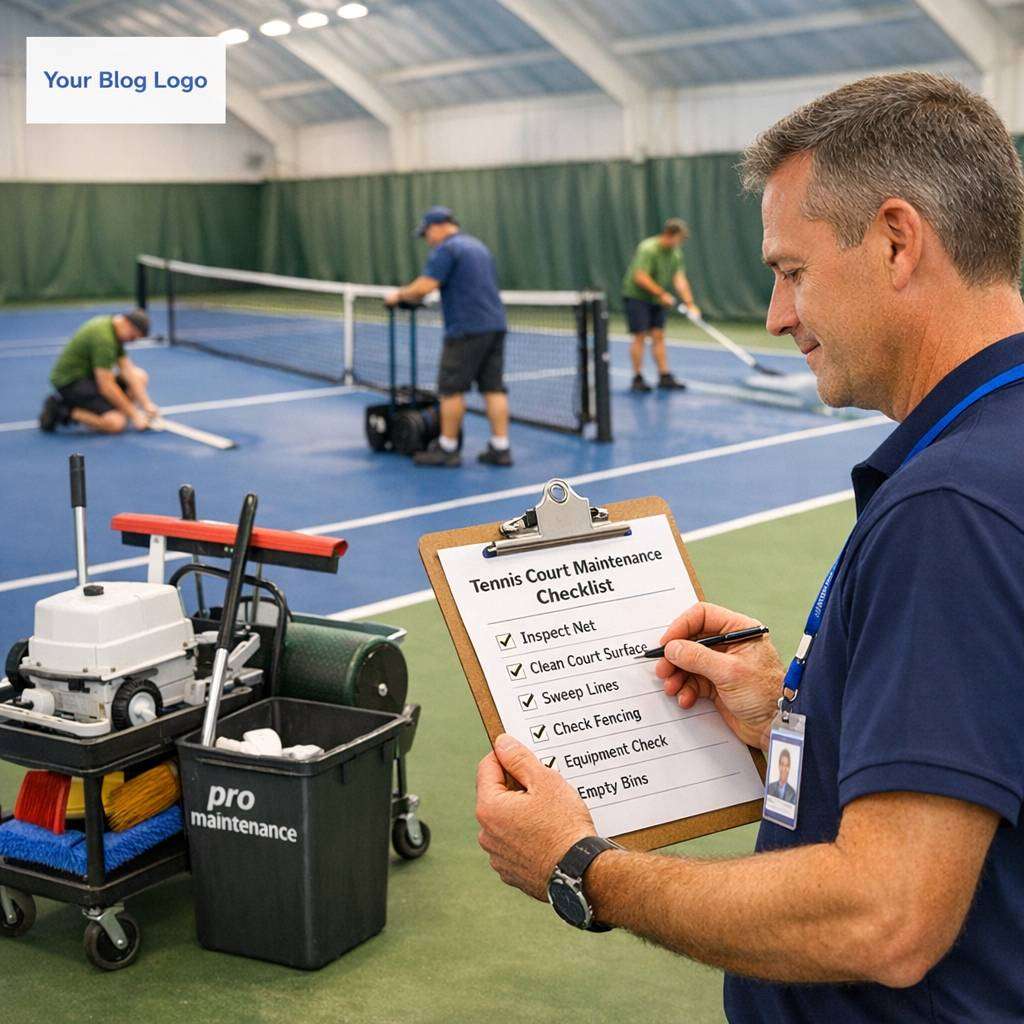
As a facility manager, maintaining high-quality playing surfaces is essential for safety, performance, and user satisfaction. This guide provides a practical, expert-led approach to the upkeep of tennis facilities featuring artificial grass tennis courts. By following a structured maintenance checklist, you can extend the life of your surfaces, minimise downtime, and ensure consistent playability across all seasons.
artificial grass tennis
Artificial grass tennis courts represent a sophisticated blend of performance and durability when properly maintained. Regular inspections should focus on underlay integrity, mesh seams, and surface pile height to ensure consistent ball bounce. Monitor for unusual wear patterns, especially along high-traffic service lines and baseline areas. Routine brushing, grooming, and infill management help preserve surface uniformity and maximise the court’s longevity.
tennis court artificial grass
When managing tennis court artificial grass, establish a seasonal maintenance calendar that coordinates brushing frequency, infill levels, and debris removal. Use a specialised drag brush or powered brushing system to stand up fibres after heavy use, rain, or wind. Check perimeter edging and drainage channels to prevent water pooling, which can degrade the sub-base and lead to surface cracking. Keep an eye on fibre compaction and colour fade, which can indicate necessitated refurbishment or resurfacing.
tennis court resurfacing
Tennis court resurfacing is a strategic asset management decision. Plan resurfacing when surface indicators—such as uneven bounce, premature fibre flattening, deep ruts, or significant infill loss—compromise playability. Before resurfacing, perform a thorough court inspection to identify drainage issues, sub-base stability, and edge failures. Select an appropriate layer system that matches usage intensity: high-traffic facilities may benefit from polymer-modified surfaces, while lite-use courts can employ standard monofilament or fibrillated systems. Budget for curing times, line marking reapplication, and post-installation conditioning.
artificial grass tennis court
For the artificial grass tennis court, routine maintenance should emphasise fibre health, infill depth, and surface cleanliness. Weekly cleaning removes grass clippings, leaves, and dust that can impede drainage. Periodic brushing on a diagonal pattern helps maintain pile height and surface aesthetics. Monitor infill levels—synthetic sand or rubber infill—and top up as necessary to maintain consistent ball bounce and hazard-free play. Address UV degradation by inspecting colour uniformity and considering UV-stabilised materials when replacements are required.
tennis court installation
During tennis court installation, ensure that site preparation, sub-base compaction, and drainage design meet local standards and facility specifications. Verify that the chosen artificial grass matting is compatible with ongoing maintenance regimes and that the height of the pile is appropriate for your traffic profile. Commission a post-installation test to confirm surface bounce, slope angles, and drainage efficiency. Provide facility users with clear guidelines for immediate post-installation care to prevent early surface damage.
tennis grass court maintenance
Tennis grass court maintenance combines regular brushing, debris removal, and infill management with ongoing structural checks. Schedule monthly inspections of seam lines and edge trims to prevent grass fibre misalignment. Ensure drainage outlets are unobstructed and that the sub-base remains stable after heavy rainfall. Implement a preventive maintenance plan that includes seasonal aeration if your surface design accommodates it, and coordinate with contractors for any mid-life repairs without disrupting peak usage periods.
tennis court maintenance
A comprehensive tennis court maintenance programme includes daily, weekly, monthly, and quarterly tasks. Daily tasks focus on clearing the surface of litter and ensuring no standing water remains after rainfall. Weekly tasks should include brushing and vacuuming to lift fibres, remove loose debris, and check line markings. Monthly inspections should cover sub-base integrity, drainage function, edging, and peripheral fences. Quarterly, conduct a full surface audit: test bounce characteristics, review wear patterns, evaluate infill depth, and assess underlying support structures. Keep precise records to identify deterioration trends and to plan timely interventions.
tennis court repairs
Tennis court repairs cover a range of corrective actions. Address delamination or seam buckling immediately to prevent water ingress and surface deterioration. Fibre flattening can be remedied by targeted brushing and infill redistribution, while hot-medge repairs may be necessary for line markings or minor surface damage. For more extensive issues—such as significant base settlement or large cracks—coordinate with specialised resurfacing crews and consider interim protective measures to maintain playability. Ensure repair work complies with manufacturer specifications and warranty obligations.
Maintaining a tennis court requires regular checks, surface cleaning, and careful edging to prevent wear. Regularly inspect nets, lines, and drainage to ensure safe play. For expert guidance, visit the resource: www.artificialgrassmaintenance.co.uk/tennis-court-maintenance-cleaning-installation and follow recommended maintenance schedules. Proper care reduces repairs, extends lifespan, and preserves performance, grip, and bounce. Consistent attention, weather-aware routines, and quality materials keep courts vibrant and playable year-round.
routine inspection and testing
A disciplined inspection regime supports proactive maintenance. Conduct quarterly visual checks for tears, seams, drainage blockages, and edge wear. Perform drainage tests to confirm effective water evacuation during heavy rainfall. Regular bounce testing can help quantify surface consistency and alert you to developing faults. Documentation of all inspections, repairs, and replacements, along with photographic records, is crucial for asset management and warranty validation.
seasonal maintenance considerations
Seasonal planning should account for climate-specific challenges. In temperate regions, prepare for wet winters with efficient drainage and debris management, while summers may require more frequent grooming to maintain pile uprightness. Cold-weather periods necessitate inspection for frost damage and potential microcracking, with rapid response protocols in place to repair or mask affected areas. Always align seasonal activities with the facility’s programmed usage and external hire slots to minimise disruption.
contractor management
Engage trusted, qualified contractors for professional maintenance tasks, including resurfacing, infill replenishment, and large-scale repairs. Establish clear service level agreements (SLAs), safety protocols, and access arrangements to reduce disruption to users. Require operating manuals and warranties for any artificial grass replacement components and ensure all work is documented with before-and-after records.
record-keeping and data analytics
Maintaining a robust data trail supports informed decision-making. Track maintenance tasks, material consumables, and incident logs. Use a simple scoring system to monitor surface condition over time and flag surfaces that require attention. Analytic insights can guide capital expenditure planning—such as deciding when to pursue tennis court resurfacing versus a full installation upgrade.
safety and user communication
Never underestimate the importance of safety. Regularly inspect for trip hazards along dasher boards, fences, and court perimeters. Communicate maintenance schedules to club members and facility users, including temporary court closures and expected resurfacing timelines. Clear, proactive communication helps manage user expectations and preserves the facility’s reputation for reliability and quality.
If you would like, I can tailor this checklist to your facility’s specific court types, usage patterns, and regional climate conditions.