
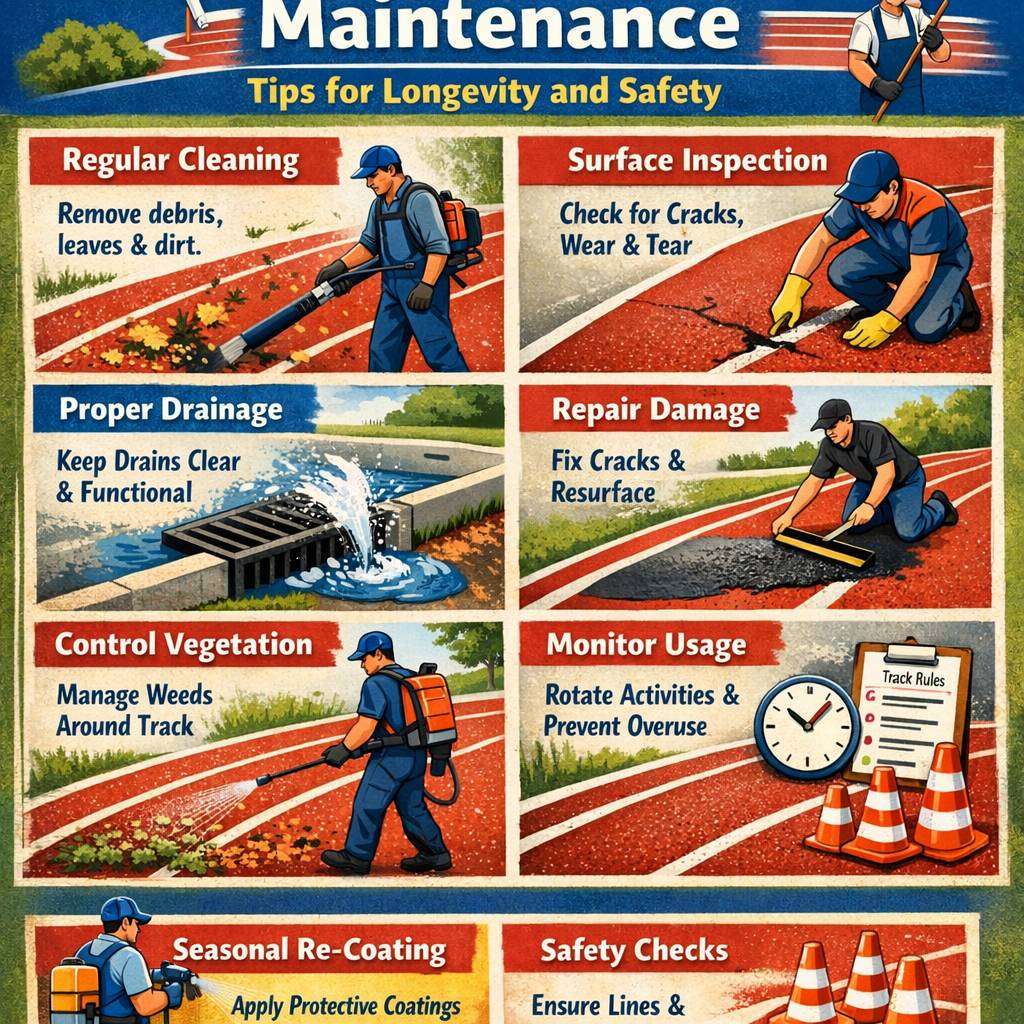
Maintaining an athletic track is crucial for ensuring safety and prolonging the life of the surface. A well-maintained track not only enhances performance but also reduces the likelihood of injuries caused by uneven or damaged surfaces. This guide will cover essential aspects of athletic track cleaning and maintenance, offering tips for both longevity and safety.
Proper athletic track maintenance is vital for ensuring the safety and performance of athletes. Regular inspections and cleaning, as highlighted in this resource https://forum.trains.com/t/track-cleaning-cars/198342, help to preserve the integrity of the surface, preventing injuries and enhancing playing conditions. Additionally, periodic resurfacing and proper drainage management can extend the lifespan of the track. Investing in maintenance ensures athletes can perform at their best and enjoy a safe environment.
Understanding Track Surfaces
Athletic tracks are typically made from a variety of surfaces including asphalt, polyurethane, and rubber. Each material has distinct maintenance requirements. Being aware of your track’s surface type is the first step towards effective maintenance.
Asphalt Tracks
Asphalt tracks are durable but can crack and develop potholes over time. Routine inspections and quick repairs are crucial to prevent further deterioration. Regular cleaning is also necessary, as dirt and debris can encourage the growth of moss and algae, creating slippery conditions.
Polyurethane and Rubber Tracks
These surfaces offer enhanced cushioning and traction but require specific cleaning methods to avoid damage. Using harsh chemicals can harm the integrity of the surface. Therefore, employing a dedicated athletic track cleaner is necessary to maintain these tracks without compromising their quality.
Routine Cleaning
Regular cleaning is vital to keep an athletic track in optimal condition. Dirt, leaves, and debris can accumulate, leading to safety hazards.
Regular athletic track maintenance is crucial for optimal performance and safety. Proper care enhances durability and improves running conditions. For expert services and advice, visit https://www.artificialgrassmaintenance.co.uk to ensure your facility stays in top shape.
Athletic track maintenance is crucial for ensuring optimal performance and safety for athletes. Regular inspection and upkeep help in identifying wear and tear, which can significantly affect speed and traction. For tips on effective track cleaning techniques, check out this helpful resource: https://forum.trains.com/t/track-cleaning/88448. Proper maintenance not only prolongs the lifespan of the track but also enhances the overall athletic experience. Investing time in this process is essential.
Best Practices for Running Track Cleaning
Schedule Regular Cleanings: Plan maintenance sessions before and after the peak athletic seasons. Regular attention every few weeks will prevent dirt build-up.
Use the Right Tools: Brooming or using a leaf blower is effective for removing loose debris. For deeper cleaning, opt for a soft-bristled brush and a mild cleaning solution specifically designed for tracks.
Avoid Heavy Machinery: While large machines may seem effective, they can damage delicate surfaces. Manual methods are recommended for routine tasks.
Cleaning Agents
Select appropriate cleaning solutions that are compatible with your track surface. Non-toxic options are preferable, as they are safer for both athletes and the environment. Always test any new cleaning agent on a small, inconspicuous area of the track before widespread use.
Regular Inspections
Implement a routine inspection protocol to identify issues before they escalate into major repairs. Look for signs of wear and tear, such as cracks, lifted seams, or uneven surfaces.
Identifying Problems
-
Cracks & Potholes: These can become more severe if neglected. Cracks should be sealed promptly using appropriate sealant. For potholes, repair should involve cleaning the area and filling it with a similar type of material to ensure a consistent surface.
-
Uneven Areas: Pay attention to any uneven surfaces, as they can lead to trips and falls. Regular levelling and repair work should be conducted, especially in high-traffic areas.
Cracks & Potholes: These can become more severe if neglected. Cracks should be sealed promptly using appropriate sealant. For potholes, repair should involve cleaning the area and filling it with a similar type of material to ensure a consistent surface.
Uneven Areas: Pay attention to any uneven surfaces, as they can lead to trips and falls. Regular levelling and repair work should be conducted, especially in high-traffic areas.
Running Track Repair
Timely repair of damaged sections can save significant costs in the long run. Delaying repairs often results in more extensive damage and requires larger repair budgets.
Repair Techniques
Sealing Cracks: Use a suitable sealant that penetrates deep into the crack to prevent water damage and further deterioration.
Surface Resurfacing: In cases of extensive wear, consider resurfacing parts of the track. This process involves applying a new layer over the existing surface to restore its integrity.
Professional Assistance: For extensive repairs or resurfacing, hiring professionals with experience in athletic track maintenance is often the best course of action. They possess the tools and knowledge necessary for high-quality results.
FAQ: Athletic Track Maintenance
What is athletic track maintenance?
Athletic track maintenance refers to the various activities and procedures undertaken to keep a running track in optimal condition. This includes regular inspections, repairs, cleaning, resurfacing, and ensuring safety standards are met for athletes.
Why is athletic track maintenance important?
Regular maintenance enhances the longevity of the track surface, improves performance for athletes by providing safer running conditions, reduces liability risks associated with injuries caused by poor conditions, and ensures compliance with various sporting regulations.
How often should an athletic track be maintained?
Typically, an athletic track should undergo routine inspections at least once a month. However, heavier usage tracks may need more frequent checks. Major evaluations and resurfacing are usually recommended every 5 to 10 years depending on factors like climate and foot traffic.
What are common issues that require attention in athletic tracks?
Common issues include surface cracking, fading markings or lines, drainage problems leading to water pooling or erosion under the surface material, as well as wear and tear from extensive use which can create hazardous conditions.
How can I identify when my athletic track needs repair?
Signs that an athletic track may need repair include visible cracks or uneven surfaces, loose materials or granules on the surface layer interface causing slippery spots; excessive wear in frequently used lanes; pooled water after rain; or faded lane markings that could confuse runners.
What is involved in resurfacing an athletic track?
Resurfacing typically involves removing old materials (if necessary), repairing any underlying damage to the base structure of the current surface layer before applying new layers of synthetic rubber or polyurethane materials. It may also involve repainting lines and markings for competitions.
Can I perform DIY maintenance on my athletic track?
While some basic upkeep tasks such as debris removal and light cleaning can be done through DIY methods safely by staff members familiar with their facility’s equipment needs – complicated repairs should ideally be handled by professional contractors specialised in sports facility maintenance.
What type of companies specialise in athletic track maintenance?
Companies specialising in athletics facilities management generally provide services such as inspection assessments—often including certified technicians—resurfacing technologies implementation followed through annual service agreements fulfilling both short-term upkeep goals along long-term sustainability objectives for your investment’s future vitality!
Safety First
Safety is paramount in maintaining an athletic track. Proper maintenance helps ensure that athletes can perform to the best of their abilities without unnecessary risks.
Importance of Slip Resistance
Tracks should maintain adequate slip resistance. Ensure that surfaces are cleaned of algae, moss, or debris that could cause slips. Regular inspection can help identify areas that may require additional non-slip treatments.
Athletes’ Input
Engage with athletes to gather feedback regarding track conditions. Athletes are often the first to notice issues, and their input can guide your maintenance priorities.
Additional Considerations
Winter Preparations: In regions prone to frost or snow, proper winter preparation is vital. Clear snow and ice promptly to prevent damage caused by freeze-thaw cycles.
Event Planning: Create a maintenance schedule that considers events and competitions. Ensure that cleaning and repairs are completed well in advance of any significant use.
Record-Keeping: Maintain a detailed log of inspections, cleaning, and repairs. This will assist in tracking the track’s condition over time and will help predict future maintenance needs.
By following these guidelines and implementing a robust maintenance routine, you can ensure that your athletic track remains a safe and effective environment for athletes, while maximising its lifespan.