
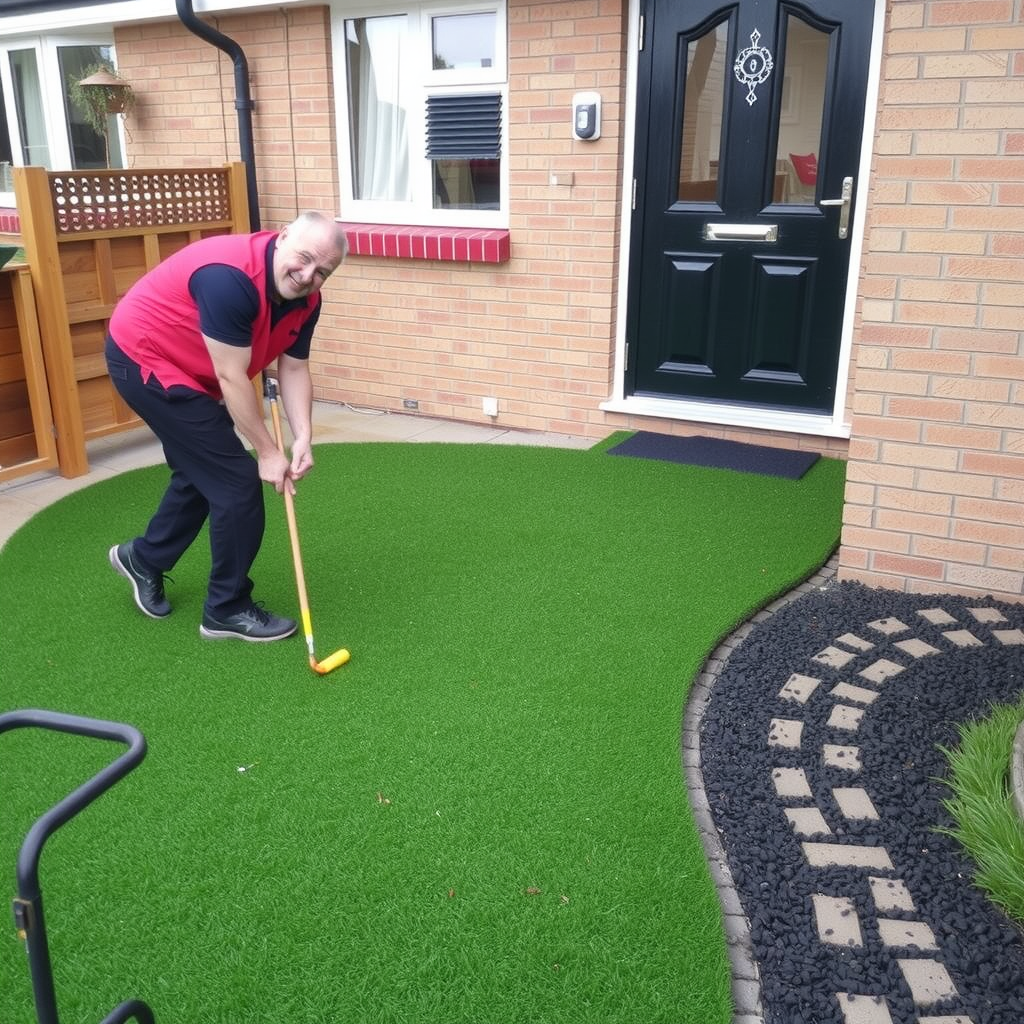
Artificial grass is becoming an increasingly popular choice among homeowners and businesses alike. Its vibrant aesthetic appeal, low maintenance requirements, and excellent durability make it an attractive alternative to traditional grass. However, far from being maintenance-free, effective artificial grass maintenance is essential to ensure its longevity and appearance.
To keep your artificial turf looking fresh and inviting, it’s necessary to implement a consistent maintenance routine. Whether you’re seeking an artificial grass maintenance service or planning to maintain artificial grass yourself, understanding the essential steps for caring for your investment can go a long way in preserving its appeal and functionality.
Regular Brushing
One of the primary steps in maintaining artificial grass involves regular brushing. Over time, the synthetic fibres can become flattened or matted due to foot traffic, debris, or environmental factors. A good quality broom with soft bristles is ideal for this task. Brushing helps to lift the fibres, ensuring they stand upright and maintain their natural appearance.
For optimal results, aim to brush your artificial grass at least once a week. This frequency can be adjusted based on heavy usage or weather conditions. Regular brushing helps to prevent the accumulation of debris and promotes even distribution of the infill material, essential for the overall appearance and performance of your artificial grass.
Rinsing and Cleaning
Another critical step in the maintenance of artificial grass involves rinsing and cleaning the surface regularly. Although artificial grass is designed to withstand the elements, it can still collect dirt, pet waste, leaves, and other organic matter that can detract from its visual appeal and longevity.
For light cleaning, simply rinsing the turf with water can be sufficient, especially after periods of heavy rain or intense use. For more thorough cleaning, especially in areas affected by pet waste or spills, consider using a mild detergent mixed with water. Avoid harsh chemicals, as they may damage the synthetic fibres or cause discolouration over time.
For those looking at professional options, many companies offer an artificial grass maintenance package that includes deep cleaning services designed specifically for turf surfaces.
Dealing with Weeds
Even though artificial grass is specifically designed to suppress weed growth, some resilient weeds may still infiltrate the surface. Regular checking for any signs of weeds is an essential part of maintaining artificial grass. If you notice any stubborn weeds, prompt action is necessary to remove them before they can establish roots in the infill or underneath the grass.
You can effectively manage this issue by pulling weeds out by their roots. If necessary, apply a bio-degradable herbicide specifically designed for use on artificial grass. Avoid any broad-spectrum herbicides, as they can be damaging to your grass.
Infill Maintenance
The infill used in artificial grass is crucial for its performance and longevity. It provides support to the fibres, helping them maintain their upright position while also improving drainage and reducing friction. Over time, infill can become compacted or displaced due to foot traffic, heavy rainfall, or erosion.
Regular checks to ensure that your infill is intact are essential. You might need to replenish or evenly redistribute infill materials once or twice a year, depending on usage. When selecting infill, consider opting for high-quality materials, such as rubber or silica granules, that are designed for artificial grass. If you are unsure about how much infill to use, an artificial grass maintenance service can offer guidance tailored to your specific lawn conditions.
Artificial grass maintenance is essential for keeping your synthetic lawn looking pristine year-round. Regular upkeep not only enhances the appearance but also extends the life of your artificial turf. This process includes brushing, rinsing, and checking for debris or weeds that can affect its quality. For expert tips and services to ensure your artificial grass remains in top condition, visit https://www.artificialgrassmaintenance.co.uk for more information.
Addressing Pet Waste
For many, one of the most significant advantages of artificial grass is its suitability for pets. However, maintaining artificial grass when you have pets involves some extra steps. Pet waste can lead to odours and stains if not dealt with promptly.
When your pet uses the grass as a bathroom, it’s essential to pick up solid waste immediately and rinse the area with water to prevent any lingering odours or discolouration. For liquid waste, a simple rinse should suffice, but occasionally a deeper clean with a safe enzymatic cleaner may be necessary to neutralise odours and disinfect the surface.
If you seek assistance with this aspect of maintenance, look for an artificial grass maintenance near me that offers specific pet care options.
By following these essential steps for effective artificial grass maintenance, you’ll be well on your way to preserving the beauty and functionality of your turf for years to come. Whether you choose to maintain artificial grass yourself or enlist the help of a professional service, a proactive approach will yield the best results.